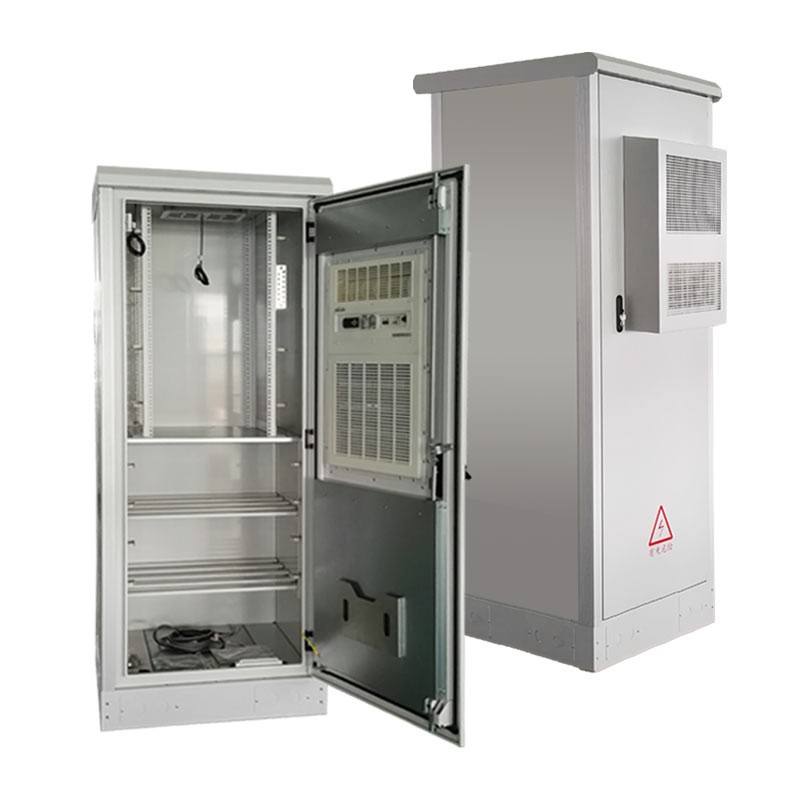
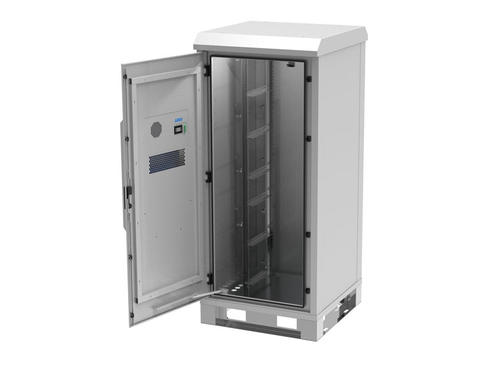
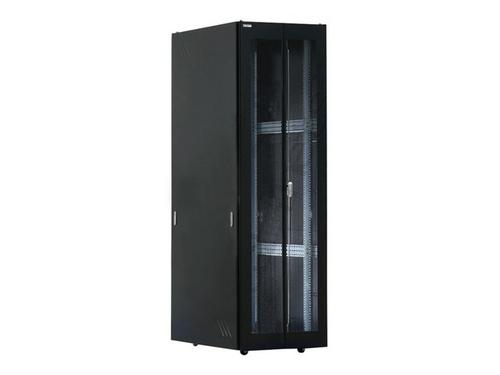
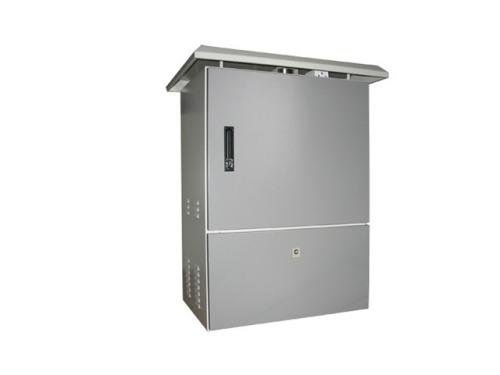
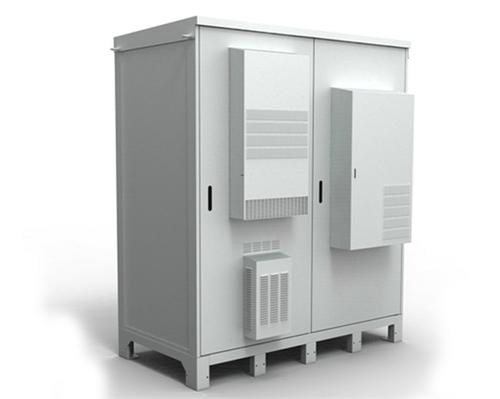
Outdoor integrated cabinets are equipment that provides outdoor safety systems and physical working environments for the operation of wireless communication stations and wired network stations. During installation, the size and appearance of the cabinet need to be confirmed to select matching brackets. How to achieve safe and neat arrangement? Below, the editor will explain the "manufacturing materials and installation process of outdoor integrated cabinets".
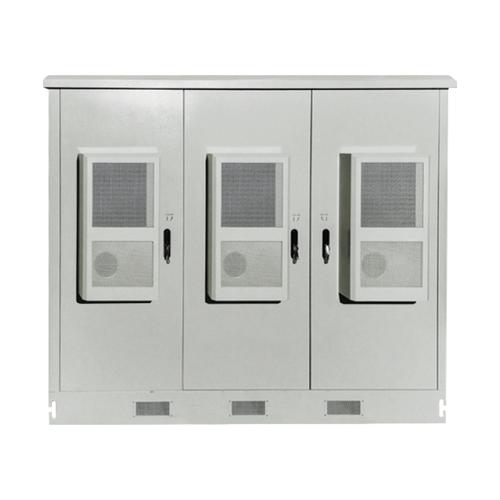
I. Manufacturing Materials of Outdoor Integrated Cabinets
As a type of integrated cabinet, outdoor cabinets refer to enclosures directly exposed to natural weather conditions, made of metal or non-metallic materials, and not accessible to unauthorized operators. They provide outdoor physical working environments and safety systems for wireless communication stations or wired network station workstations.
The panels used for the outer part of the cabinet are hot-dip galvanized steel plates with a thickness of ≥1.5mm, which must be sprayed with outdoor powder after welding. Cabinets with heat dissipation-type temperature control devices adopt hot-dip galvanized steel plates as the base material, while those with refrigeration-type temperature control devices use a composite structure of hot-dip galvanized steel plates (≥1.5mm) and 10mm thermal insulation cotton.
The cabinet base is made of cold-rolled steel plates with a thickness of not less than 2mm, and undergoes hot-dip galvanizing surface treatment after welding. Metal materials used for the cabinet shall have corrosion resistance and electrochemical reaction resistance, whether with or without surface treatment. Non-metallic components (including insulated wires, cables, and foam materials) shall be flame-retardant, and their flammability shall meet the requirements of flame-retardant tests.
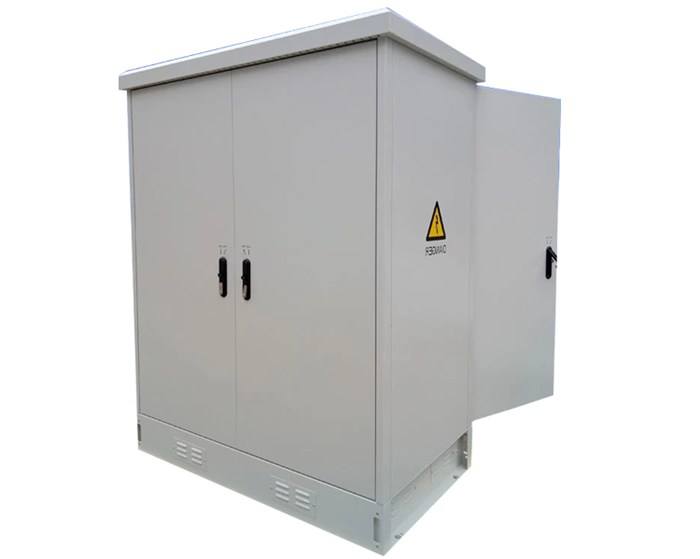
II. Installation Process
First, clarify the relevant dimensions of the cabinet, then check the shape of the equipment to ensure it matches the selected brackets. A sturdy cabinet can bear a load of nearly 250kg, so inspect the tools used to move the equipment, such as door lifts or trolleys. Famous-brand cabinets are generally equipped with wheels at the bottom, so you only need to install the equipment inside and then push the cabinet to the appropriate location.
Measure the size of the room and the height of the ceiling, doors, and elevators that the cabinet will pass through. In addition, considering the various types of equipment in the cabinet, ensure the cabinet is placed close to power sources, network cable sockets, and communication jacks.
Check the opening angle of the cabinet door when opening and closing. Standard cabinet doors open on the right with hinges on the left, although the opposite is not excluded. All doors and side panels should be easy to open for maintenance.
When the user installs the equipment cabinet into an existing cabinet bank, the cabinets can be arranged in a row side by side for safety and neatness. The optimal cabinet bank model should have sufficient expandability and be equipped with all necessary hardware. The side panels of the cabinets can be removed, and the cabinets can be connected to each other with screws to form a row.
——END——